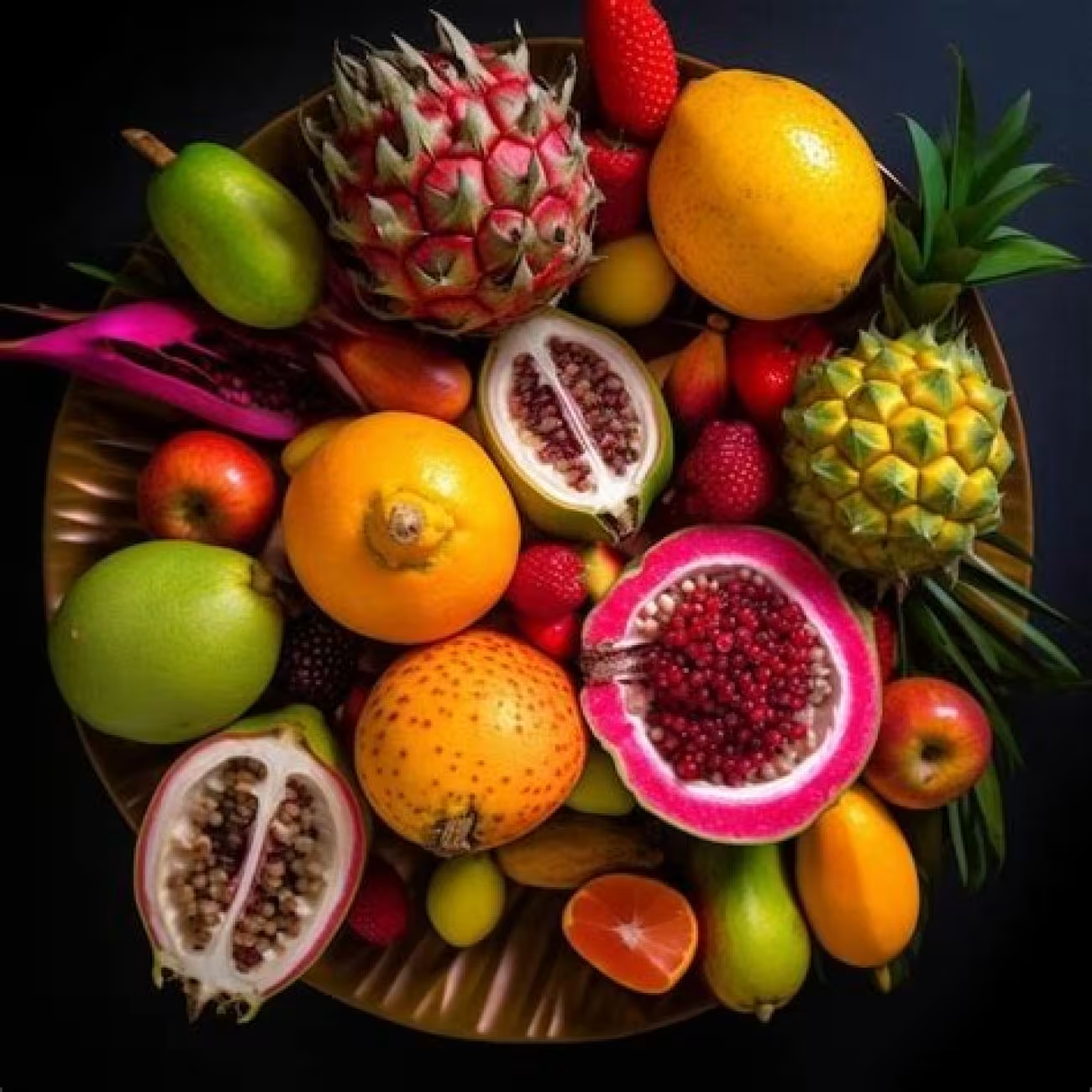
Fruits are among the most valuable natural foods available to support a healthy lifestyle. Beyond their sweet flavors and refreshing textures, fruits provide a wide range of essential nutrients, including vitamins, minerals, dietary fiber, antioxidants, and plant-based compounds that help maintain the body’s overall balance.
Every fruit has its own nutritional characteristics. Oranges are known for vitamin C, bananas provide potassium and energy, berries contain powerful antioxidants, while tropical fruits such as mangoes and papayas offer important vitamins and protective plant compounds. This diversity is what makes fruits an important part of a balanced diet.
Rather than searching for one “perfect” fruit, consuming different types of fruits regularly allows the body to receive a broader range of nutrients that support long-term health.
Why Eating Different Types of Fruits Matters
The nutritional value of fruits comes from their unique combination of natural compounds. The color, taste, and texture of fruits often reflect the different nutrients they contain.
For example:
- Red and purple fruits often contain anthocyanins and other polyphenols associated with antioxidant activity.
- Orange and yellow fruits commonly provide carotenoids, which the body can convert into vitamin A.
- Green fruits may contain vitamin K, folate, and various plant compounds.
- Citrus fruits are widely recognized as excellent sources of vitamin C.
A varied fruit intake helps ensure that the body receives different nutrients instead of relying on only one source.
Vitamins and Minerals: Natural Support for the Body
One of the main reasons fruits are considered essential components of a healthy diet is their abundance of vitamins and minerals.
Vitamin C for Immunity and Skin Health
Many fruits are rich in vitamin C, an important nutrient involved in immune function, collagen production, and protection against oxidative stress.
Popular vitamin C-rich fruits include:
- Oranges
- Kiwi
- Strawberries
- Guava
- Papaya
Vitamin C helps the body produce collagen, which plays an important role in maintaining healthy skin, connective tissue, and wound healing.
Potassium for Heart and Muscle Function
Several fruits are naturally rich in potassium, a mineral that supports normal muscle function, nerve signaling, and fluid balance.
Examples include:
- Bananas
- Avocados
- Melons
- Oranges
Maintaining adequate potassium intake through natural food sources can support overall cardiovascular health as part of a balanced eating pattern.
Fiber: The Hidden Benefit of Whole Fruits
One of the greatest advantages of eating whole fruits is their dietary fiber content. Fiber plays an important role in digestive health and helps the body process food more effectively.
Fruits that are particularly rich in fiber include:
- Passion fruit
- Guava
- Raspberries
- Blackberries
- Pears
- Apples
Fiber helps support healthy digestion, contributes to feelings of fullness, and may help regulate blood sugar responses after meals. Soluble fiber, found in fruits such as apples and citrus, can slow digestion and support healthier cholesterol levels.
Unlike fruit juice, whole fruits retain their natural fiber structure, making them a better option for maintaining balanced nutrition.
Antioxidants: Natural Protection from Oxidative Stress
Many fruits contain antioxidants, natural compounds that help protect cells from oxidative stress caused by free radicals.
Berries are among the fruits most commonly associated with antioxidant compounds. Blueberries, strawberries, raspberries, and blackberries contain polyphenols that contribute to their vibrant colors and potential health benefits.
Other antioxidant-rich fruits include:
- Pomegranates
- Grapes
- Cherries
- Citrus fruits
- Kiwi
These compounds are being studied for their role in supporting healthy aging, reducing inflammation, and maintaining cellular health.
Tropical Fruits and Their Unique Nutritional Benefits
Tropical fruits provide an impressive combination of flavor and nutrition.
Mango: A Source of Vitamins and Plant Compounds
Mango contains:
- Vitamin C
- Beta-carotene
- Fiber
- Various plant antioxidants
Its naturally sweet flavor makes it a popular fruit choice while still providing valuable nutrients.
Papaya: Supporting Digestion and Immunity
Papaya contains:
- Vitamin C
- Vitamin A precursors
- Fiber
- Natural enzymes
It is often included in healthy diets because of its nutrient density and digestive benefits.
Pineapple: Refreshing and Nutrient-Rich
Pineapple provides:
- Vitamin C
- Manganese
- Natural plant enzymes
Its combination of nutrients makes it a popular choice for both snacks and healthy meals.
Banana: Convenient Energy Source
Bananas are widely consumed because they are:
- Easy to carry
- Rich in potassium
- A source of natural carbohydrates
- Helpful for quick energy needs
Citrus Fruits and Their Role in Everyday Nutrition
Citrus fruits remain among the most popular fruits worldwide because they are widely available and nutrient-rich.
Examples include:
- Oranges
- Lemons
- Mandarins
- Grapefruits
Besides vitamin C, citrus fruits contain flavonoids and other beneficial plant compounds that contribute to their nutritional value.
Adding citrus fruits to daily meals can be a simple way to increase vitamin intake while adding freshness and flavor.
Fruits and Heart Health
A diet that includes a variety of fruits can support cardiovascular health through several nutritional pathways.
Supporting Healthy Cholesterol Levels
Fiber-rich fruits may contribute to healthier cholesterol levels by influencing how the body absorbs and processes cholesterol.
Providing Heart-Friendly Nutrients
Many fruits provide:
- Potassium
- Fiber
- Antioxidants
- Polyphenols
These nutrients work together as part of an overall healthy eating pattern.
Fruits and Healthy Weight Management
Fruits can be useful foods for people trying to maintain a healthy weight because they contain high amounts of water, fiber, and essential nutrients while generally being lower in calories than many processed snacks.
The combination of fiber and water helps create a feeling of fullness, which can reduce the tendency to consume excessive amounts of less nutritious foods.
However, balance is still important. Fruits naturally contain sugar, so portion sizes should match individual nutritional needs. Whole fruits are generally preferred over juices because they provide more fiber and take longer to consume. Verywell Health
Fresh, Frozen, or Dried Fruits: Which Option Is Best?
Different forms of fruit can all contribute to a healthy diet.
Fresh Fruits
Benefits:
- High water content
- Easy to consume directly
- Naturally free from added ingredients
Frozen Fruits
Benefits:
- Convenient
- Available throughout the year
- Often maintain nutritional quality because they are frozen soon after harvesting
Dried Fruits
Benefits:
- Long shelf life
- Convenient snack option
However, dried fruits contain more concentrated calories and natural sugars because their water content has been removed. Portion control is important when consuming them.
Ultimately, the most important factor is not the form of fruit but maintaining regular fruit consumption as part of a balanced diet.
Simple Ways to Add More Fruits to Your Daily Diet
Adding more fruits does not require major lifestyle changes. Small habits can make a significant difference.
Breakfast Ideas
- Add bananas or berries to oatmeal
- Mix fruits with yogurt
- Include sliced fruit with breakfast meals
Healthy Snacks
- Replace packaged snacks with apples, oranges, or guava
- Prepare fruit portions in advance
Meal Combinations
- Add avocado to salads
- Combine mango or pineapple with healthy dishes
- Use fruits as natural sweeteners in homemade recipes
Conclusion: The Power of Fruit Diversity
The greatest nutritional strength of fruits comes from their diversity. Each fruit offers a unique combination of vitamins, minerals, fiber, and plant compounds that contribute to better health.
Berries provide antioxidants, citrus fruits deliver vitamin C, bananas supply potassium, and tropical fruits add valuable vitamins and natural compounds. By eating a variety of fruits regularly, people can create a more balanced and nutrient-rich diet.
Healthy eating is not about finding a single miracle food. It is about building consistent habits and enjoying the wide nutritional benefits that nature provides through different fruits.